
What to Look for in Veterinary Continuing Education Programs
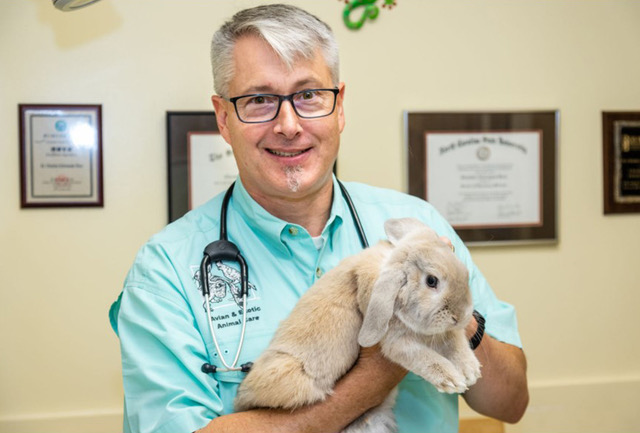
Veterinary medicine is constantly evolving with new diagnostic tools, treatment options, and patient care protocols. To stay current and provide the highest standard of care, veterinarians and veterinary professionals should regularly participate in veterinary continuing education. The right continuing education program not only expands your knowledge but also strengthens your practical skills and supports long-term career growth.
With so many conferences, workshops, and online courses available, choosing the best program can feel overwhelming. Here are the key factors to consider when selecting a veterinary continuing education program.
Choose a Program That Covers Current and Relevant Topics
An effective veterinary continuing education program should reflect the latest advancements in veterinary medicine. Look for courses that address both foundational knowledge and emerging techniques so you can confidently apply new practices in your clinical work.
Relevant topics may include:
- Diagnostic imaging
- Soft tissue and orthopedic surgery
- Pain management and anesthesia
- Veterinary dentistry
- Emergency and critical care
- Internal medicine
- Nutrition
- Behavioral medicine
- Advances in diagnostic technology
Programs that explain how to integrate modern techniques into everyday practice offer even greater value.
Learn From Experienced Veterinary Professionals
The quality of the instructors can significantly influence your learning experience. Look for veterinary continuing education courses taught by board-certified specialists, experienced clinicians, university professors, and veterinary researchers with extensive hands-on experience.
Instructors who actively practice or contribute to veterinary research can provide practical insights, real-world case studies, and evidence-based recommendations that extend beyond textbook knowledge.
Prioritize Hands-On Learning Opportunities
While lectures provide valuable information, practical experience helps reinforce new skills. The best veterinary continuing education programs combine classroom instruction with interactive learning experiences.
Hands-on training may include:
- Surgical laboratories
- Live demonstrations
- Small-group workshops
- Case-based discussions
- Diagnostic imaging interpretation
- Clinical simulation exercises
Even online courses can provide practical value through interactive case studies, video demonstrations, and guided clinical decision-making exercises.
Consider Flexibility and Accreditation
Busy veterinary professionals often need continuing education that fits around demanding schedules. Programs that offer flexible learning options make it easier to balance professional responsibilities with ongoing education.
Look for courses that provide:
- Online learning modules
- Live virtual instruction
- On-demand recorded sessions
- Hybrid learning formats
- Weekend or short-term workshops
It’s also important to verify that the program provides accredited continuing education credits recognized by your state licensing board or relevant veterinary organizations.
Look for Career Development Opportunities
High-quality veterinary continuing education does more than improve clinical knowledge—it also supports long-term professional growth.
Programs that offer additional career development opportunities can help you expand your professional network and pursue new career paths. Look for benefits such as:
- Networking with veterinary specialists
- Mentorship opportunities
- Specialized certifications
- Leadership development
- Access to ongoing educational resources
- Alumni communities and professional support
Reading participant testimonials and reviewing course outcomes can help you evaluate the long-term value of a program.
Invest in Your Future Through Veterinary Continuing Education
Choosing the right veterinary continuing education program is an investment in both your professional development and the quality of care you provide to your patients. A well-designed program should combine current clinical knowledge, experienced instructors, hands-on learning, flexible scheduling, recognized accreditation, and opportunities for career advancement.
At Vet Vacation CE, we are committed to helping veterinary professionals continue learning through engaging, practical, and high-quality educational experiences. Our courses are designed to enhance clinical confidence, introduce the latest advancements in veterinary medicine, and support lifelong professional growth.
Explore our veterinary continuing education programs today and take the next step toward advancing your knowledge, strengthening your skills, and delivering exceptional care to every patient.