St. Thomas - USVI
-
St. Thomas – USVI 2026
November 4 -6, 2026
Nutrition - Dr. Angela Rollins
$1,045.00 Add to cart
Internal Medicine - Dr. Ashley Hartley -
Super Saver Rate
St. Thomas – USVI 2027
November 3 -5, 2027
Ophthalmology - Dr. Bob Larocca
Original price was: $1,095.00.$995.00Current price is: $995.00. Add to cart
Internal Medicine - Dr. Sarah Schmid
NO PASSPORT REQUIRED:
Earn 15 hours of high quality Veterinary CE while discovering a national treasure.
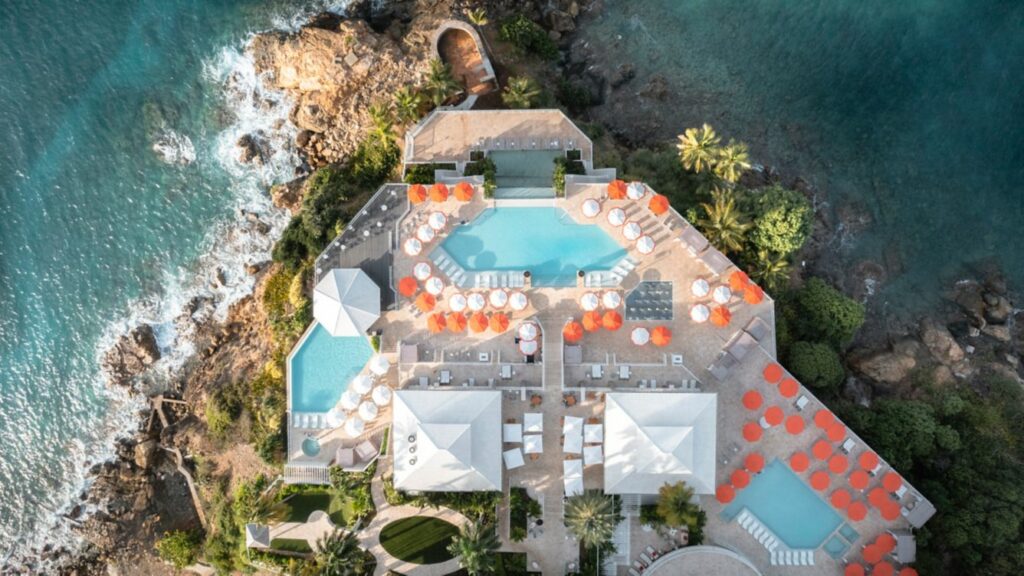
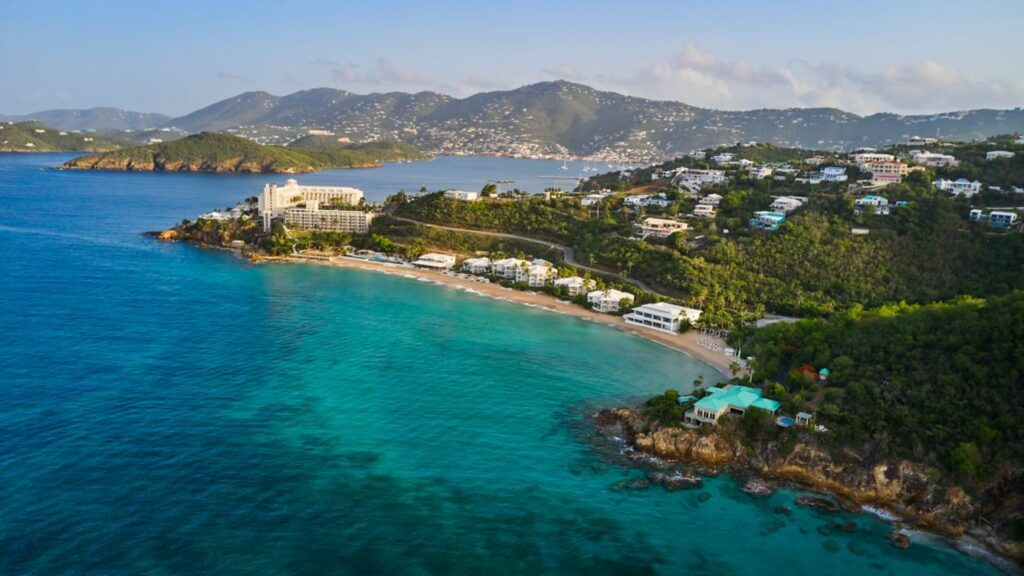
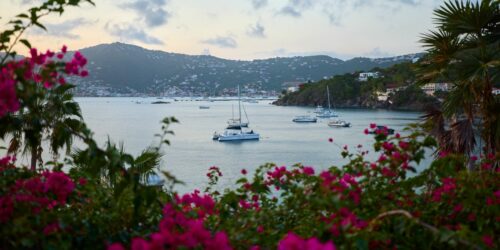
St. Thomas, one of the three United States Virign Islands, along with St. Croix and St. John, St. Thomas is one of the most beautiful island destinations in the world, dressed with powdery beaches and sun-drenched weather.
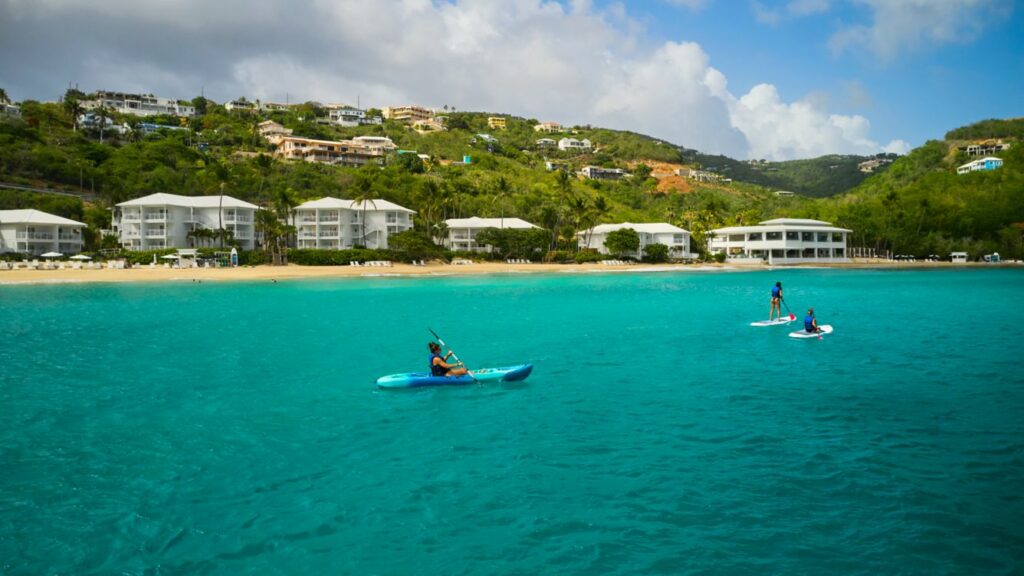
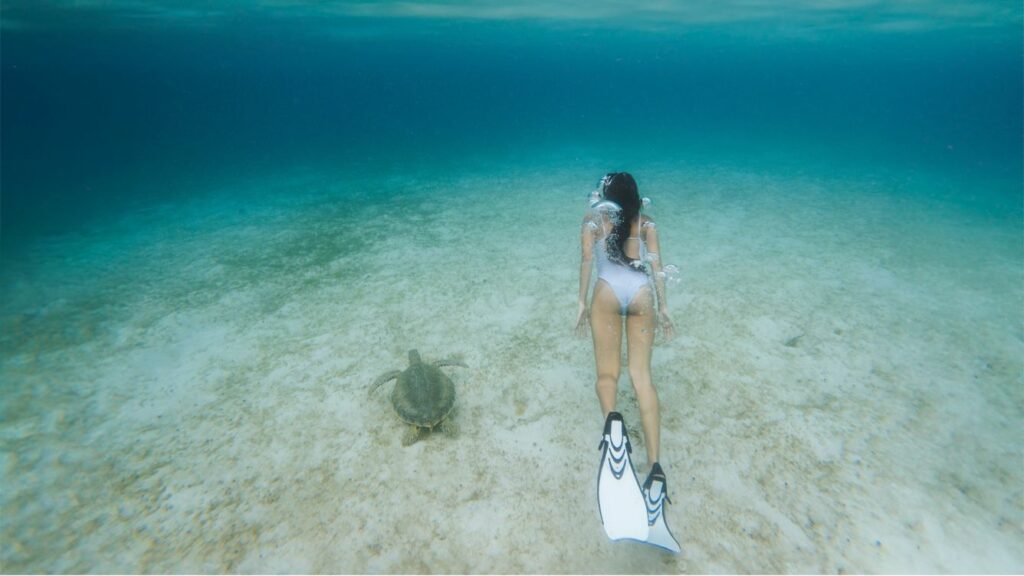
St. Thomas is the liveliest island of the three U.S. Virgins, and, perhaps, the liveliest in the Caribbean, with attractions including everything from sightseeing and shopping to sailing, swimming, snorkeling, diving, windsurfing, and kayaking. Or, simply find your favorite sandy spot and relax.
Drakes Seat above Magens Bay is an excellent spot for panoramic and photographic vistas of this beautiful bay and the surrounding islands. Local lore has it that Sir Francis Drake used this for his lookout. Mountain Top offers the best north side and down-island view from one of St. Thomas' mountain peaks. There you will find shops, a restaurant, and a viewing deck.
Black Beard's Castle, originally known as "Skytsborg," is a historic landmark. Its tower is considered the "oldest extant historical structure in the Virgin Islands." Pirates reportedly once called this area home. Blue Beard's Castle, according to local lure, was a home of a 19th century pirate.
Government House, the center of official life in St. Thomas since it was built in the mid-1860's, is famous for the 99 steps from Government Hill to Lille Tarne Gade (Danish for Little Tower Street) is well known. Most streets in town retain the Danish "Gade" name pronounced "Ga-da".
Emancipation Garden is a charming park at east end of Main Street, commemorating the freeing of slaves in 1848. The two statues link the island's heritage: a bust of Danish King Christian and a scaled down replica of the American Liberty Bell.
Fort Christian is the oldest standing structure on St. Thomas that was built between the years 1666 and 1680 with additions in 1874. It served as the center of the first Danish settlement and the fort survived fires and hurricanes that devastated much of the town of Charlotte Amalie in the 18th and 19th centuries.